Below the surface
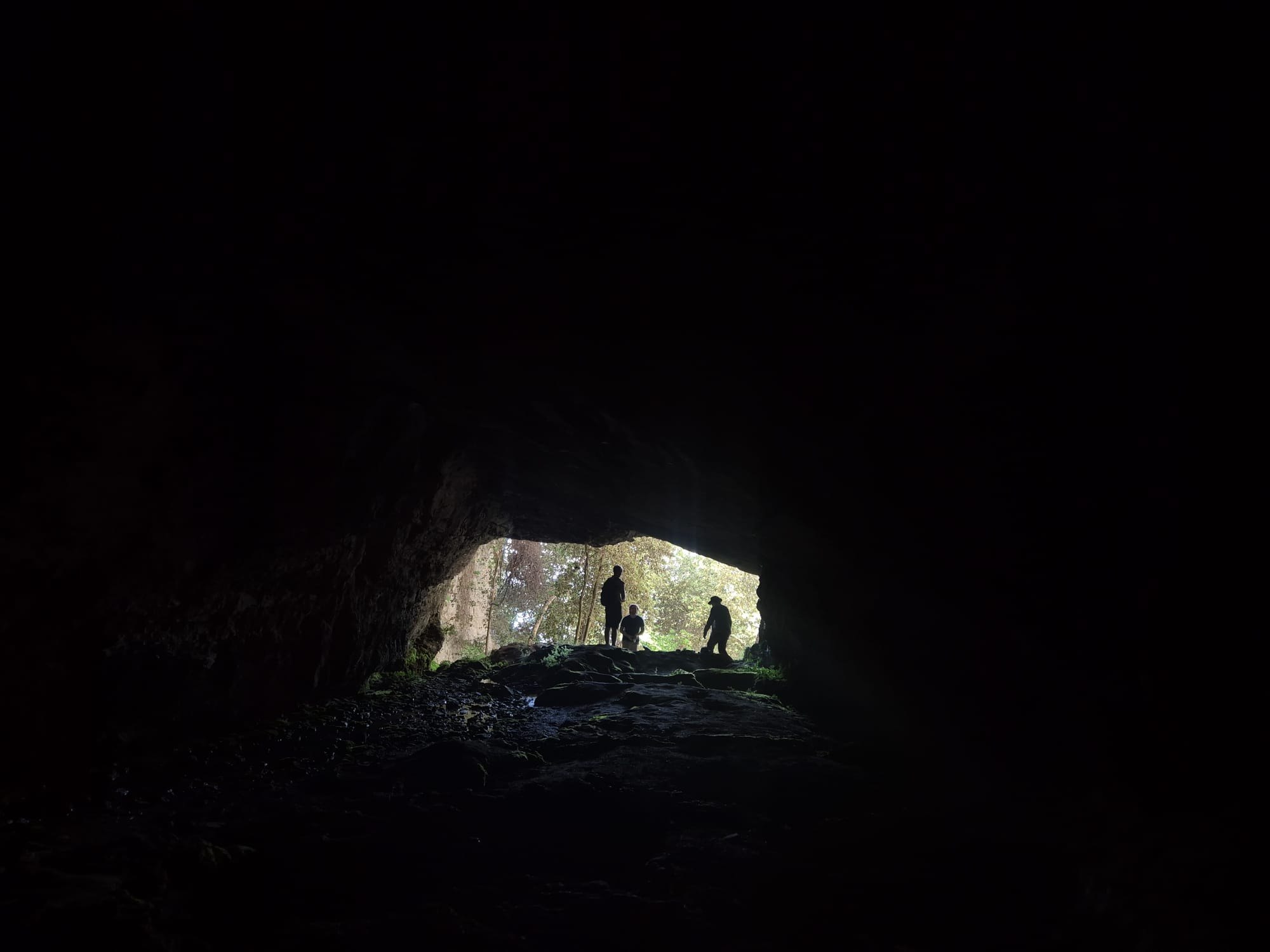
The Cave of Cascaltendine
A nearby cavern with its own history of exploration.
Vallico Sotto · Apuan Alps · Tuscany
A rocky spur, chestnut woods, old paths and around twenty-five inhabitants — with more than a thousand years in the documentary record.
The place
Vallico Academy is inside Vallico Sotto. That distinction matters. The village is not scenery wrapped around an institution: its lanes, buildings, paths, history and shrinking population are part of the reason the Academy and Farm exist.
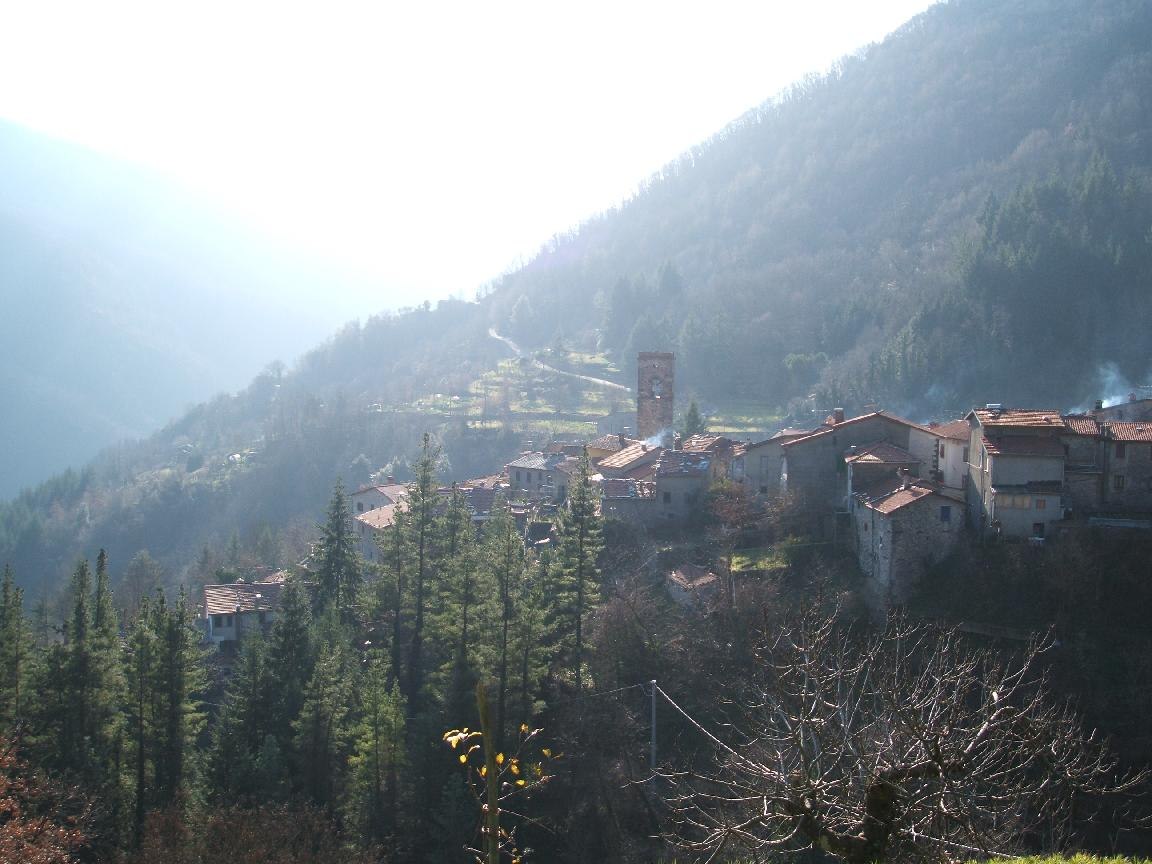
Vallico Sotto runs vertically along a rocky spur at roughly 490 metres, between the Rio Selvano and Rio Maggiore, surrounded by chestnut woods. The mountain has been worked for centuries — terraced, coppiced, cultivated and crossed on foot.
The experiment begins with a simple proposition: a place this old does not have to become either a museum or an empty shell.
Built vertically
The old description is unusually apt. Houses crowd the spur, lanes climb between high walls, and three transverse arched passages bind the settlement together.
At the centre are stairs, little courtyards, gardens above retaining walls and doors opening into buildings whose history is much longer than any single use now assigned to them.
It is compact because mountain villages had to be: defensible, walkable and close to the land that sustained them.
Before the road
Before the modern road arrived, Vallico was connected to neighbouring settlements by mule tracks — some paved with stone steps, some supported by dry-stone walls, others simply worn into the mountain by generations of feet and hooves.
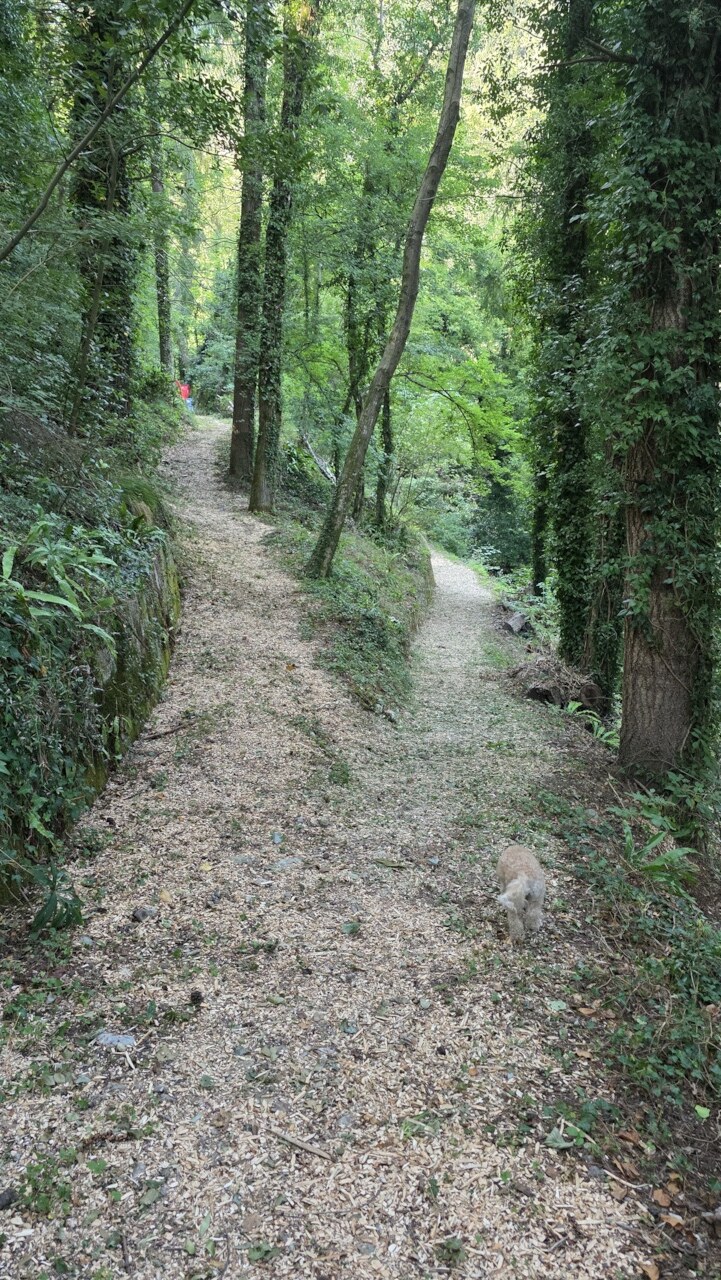
Wood, charcoal, chestnuts and wine moved along these routes. Four principal tracks converged on Vallico, tying it to Vallico Sopra, Trassilico, Gallicano, Cardoso, Fabbriche and the Serchio valley.
Today the same network matters for different reasons: walking, access to the terraces and forest, and a direct physical connection between village, Farm and mountain.
Walking here is not an imported leisure activity. It is what the landscape was built around.
Il Collegio
The Academy complex incorporates the former Oratorio del Santo Crocifisso, long associated locally with the name Il Collegio.
The local history suggests that the old Collegio may once have served, like other mountain hospices, as shelter for travellers passing through — an appealing earlier chapter for a building that later received generations of visiting scientists and now houses the Academy.
Inside the Academy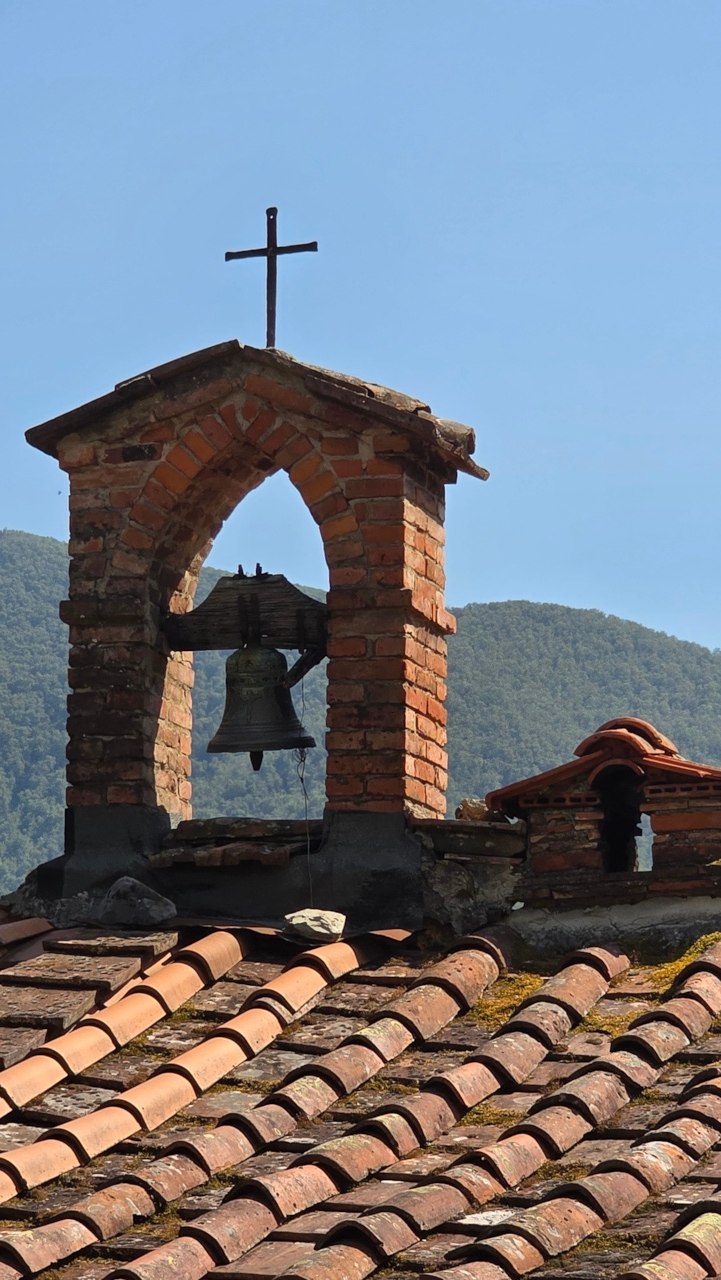
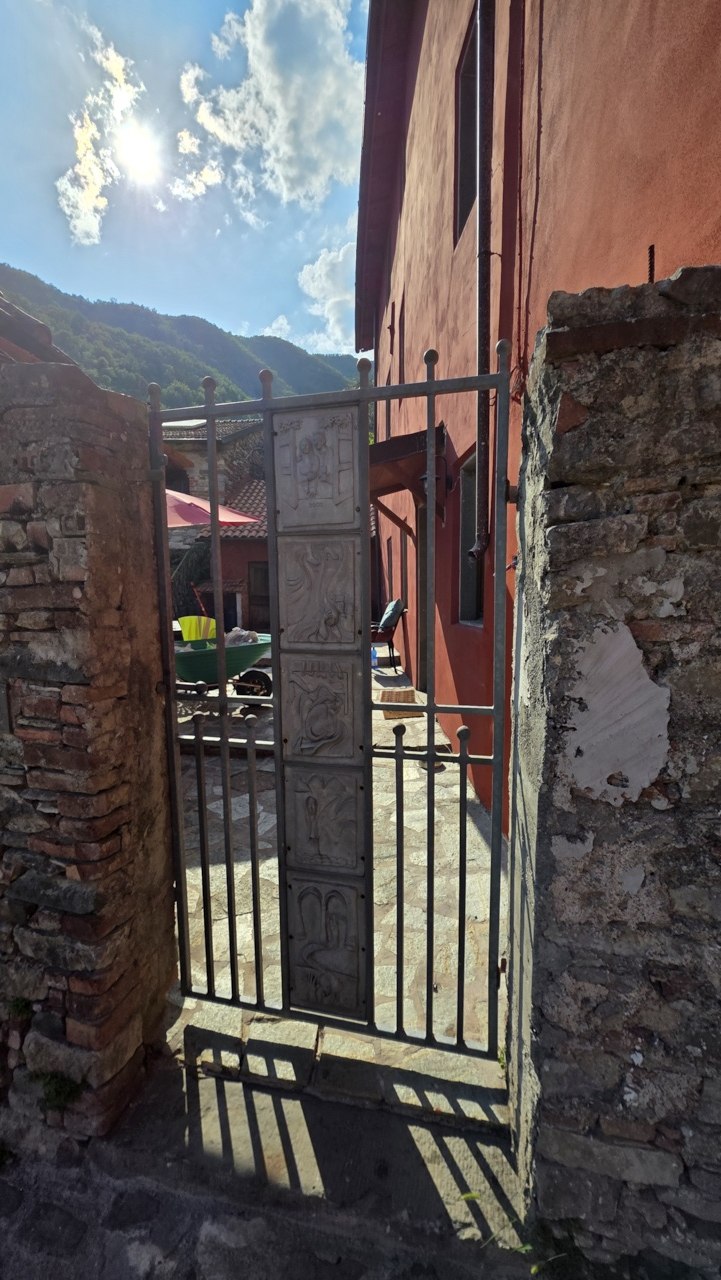
DI VALIO SON, A VALIO SON NAO,
MEGLIO MORIR CHE LASCIÀ IL PENNAO.
“Of Vallico I am, in Vallico I was born — better to die than leave my billhook behind.”
An old Vallico saying. The billhook was the everyday tool of vines, hedges and chestnut woodland: work and attachment to the land compressed into one object.
Beyond the houses
Vallico is a settlement, but it is also the beginning of paths into woods, ravines, water and rock. Some of those places will become stories of their own as this site grows.
A nearby cavern with its own history of exploration.
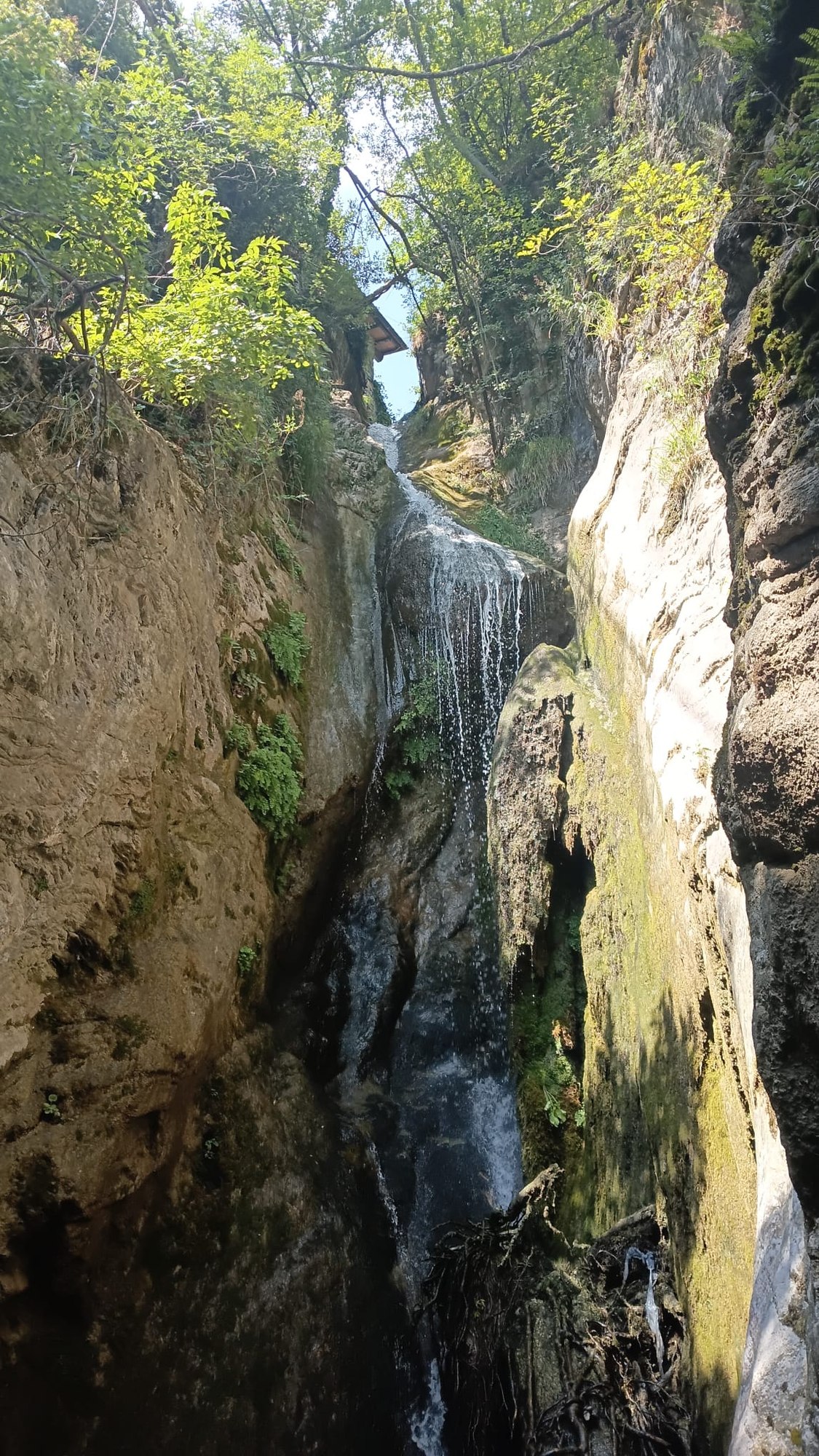
Streams cut sharply through the wooded slopes around the village.
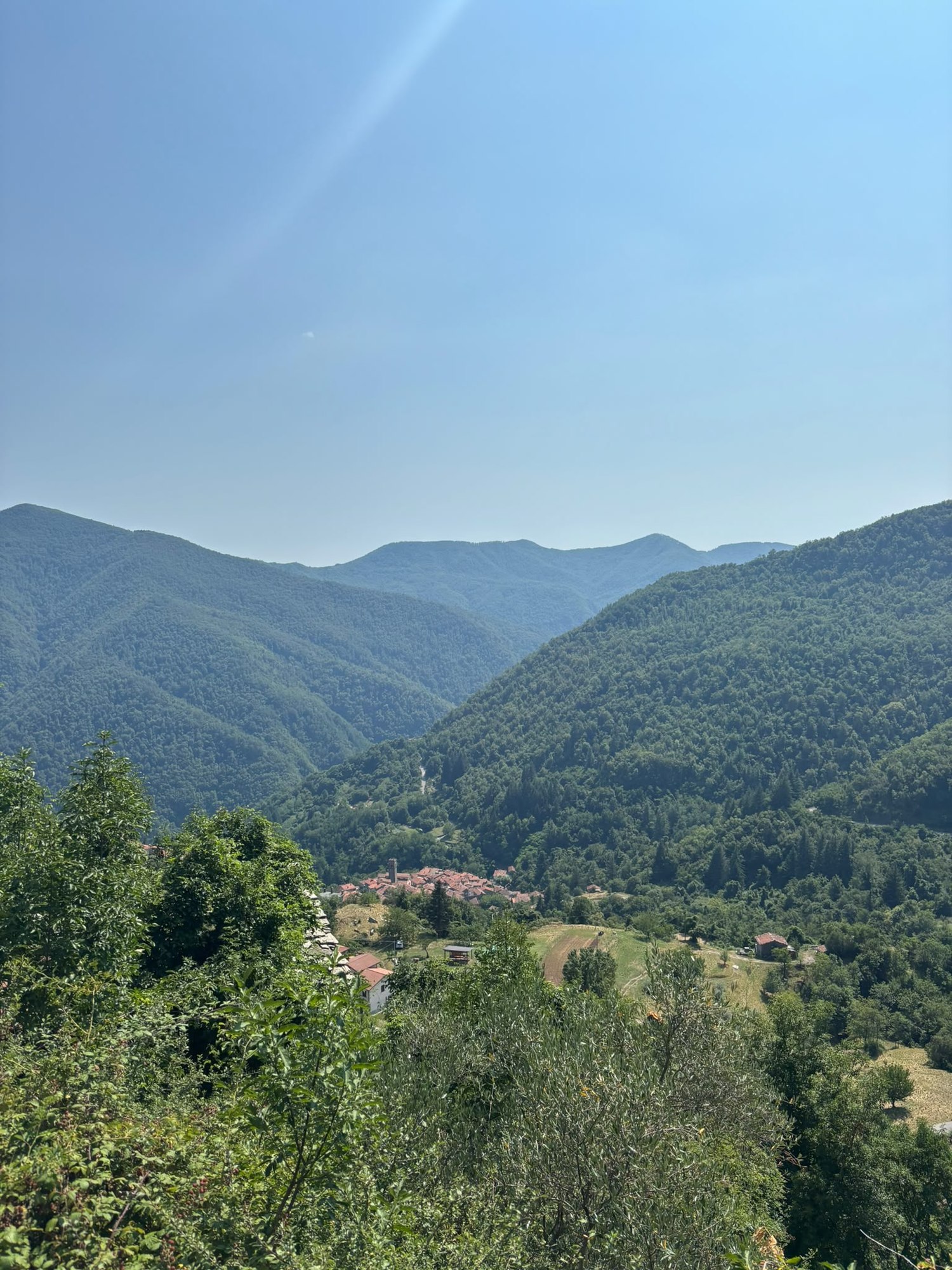
The red roofs occupy only a tiny part of the surrounding mountain.
800 → 25
Vallico's population has fallen from roughly 800 people in the 1920s to around 25 today. Emptying villages are easy to romanticise once the hard work and ordinary life have gone.
The purpose of the Academy and Farm is not to preserve depopulation as atmosphere. It is to bring people, work, conversation and reasons to return — cautiously, without pretending that one project can reverse a century of change by itself.
The village is not scenery for the project. The project is an attempt to become useful to the village.
Stories from Vallico
Fortifications, the Rocchetta and the remembered escape route beneath the village.
The Cave of Cascaltendine and the people who went looking inside it.
Old maps, wartime memories, abandoned terraces, village characters and stories from the Towler Institute years.
The next page of the site will begin pulling those threads together into a proper Vallico history and investigations archive.
Next
The dedicated History section will bring together the documentary chronology, old photographs and maps, the church and Collegio, the Rocchetta, the secret-tunnel investigation, Cascaltendine and the local-history archive.
Preview the history thread