The fortified settlements of Valivo appear in a surviving document.
The long view
The archive begins in 997.
A document of 30 June 997 mentions the two fortified settlements — castelli — of Valivo. By the thirteenth century Vallico had its own consuls and council, and in 1279 they granted two Lombards permission to build a house and make charcoal.
What follows is not a smooth village chronology. Vallico sat in border country. Lucca, the Este territories of the Garfagnana, Florence and local powers repeatedly pulled the landscape into conflicts much larger than the settlement itself.
The result is a history written into walls and routes as much as into documents: defensive arches, steep lanes, migration routes, wartime scars, a hilltop fortress that vanished, a remembered underground passage, and agricultural land whose shape still determines what can be done here today.
Selected chronology
Vallico's consuls and council act in their own name, granting rights to build a house and make charcoal.
Border warfare repeatedly draws Vallico into struggles between Lucca and the Este Garfagnana.
Dates preserved on the bell tower of San Giacomo record construction or restoration.
Pietro Magri's party explores Cascaltendine and the high side-cave they name the Palace of Ismeno.
Occupation, the nearby Gothic Line, forced labour, bombing and liberation enter living village memory.
The Towler Institute opens and begins its long programme of residential physics schools and conferences.
A Towler Institute party reaches the Palace of Ismeno and finds the 1880 inscriptions still on the walls.
The broader Vallico Academy and Vallico Farm experiment begins.
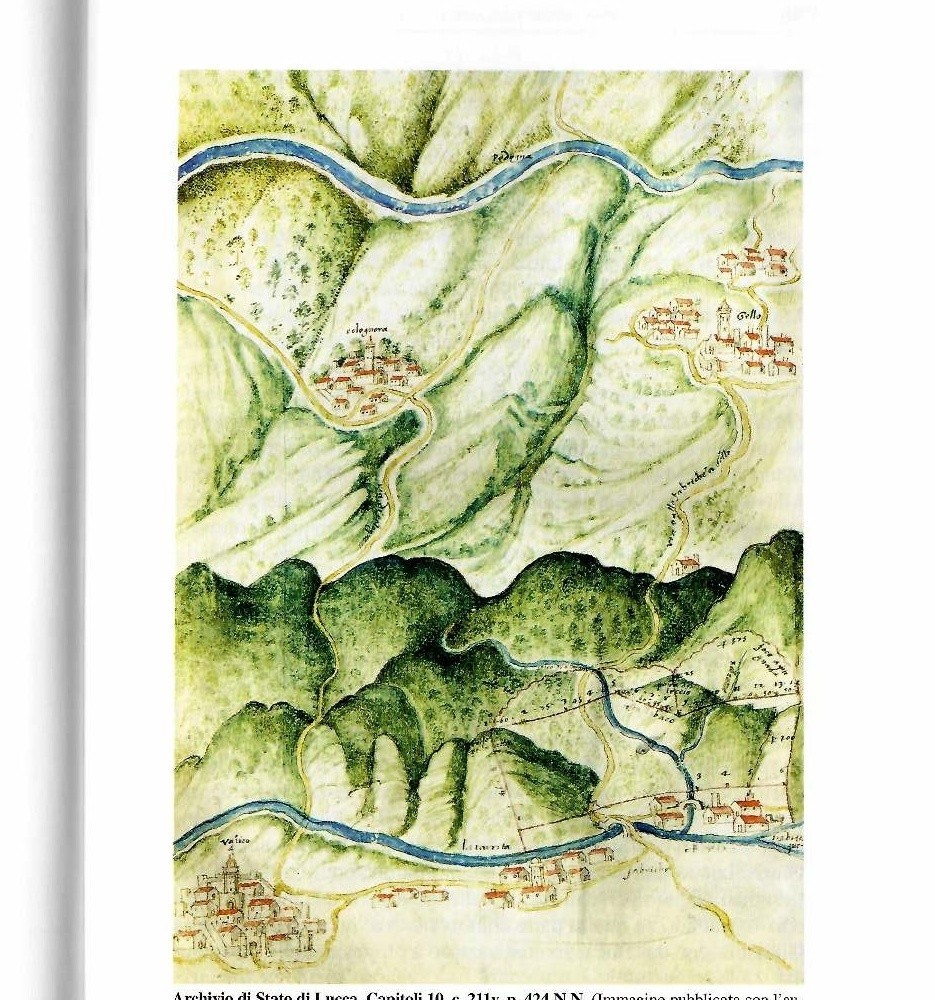
Seventeenth-century map of the disputed Vallico–Gello–Colognora borderlands, reproduced in Gabriella Carli's history.
Border country
The map was political.
Vallico stood close to a shifting frontier. The territory around the Turrite was contested among powers whose borders cut across the mountains, villages and routes people actually used.
In the early seventeenth century disputes over land and jurisdiction escalated into fighting. Contemporary accounts describe forts, artillery dragged over mountain paths, sieges and attacks on crops intended to cripple opposing communities.
The map matters because it makes visible what is otherwise easy to miss: this apparently remote valley once lay on an active political edge.
Built for defence
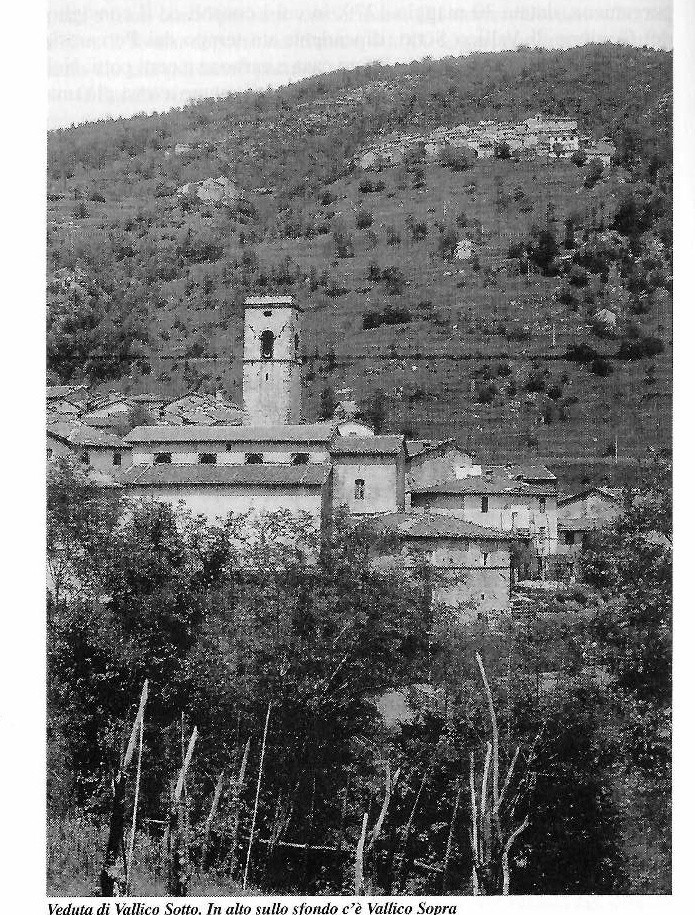
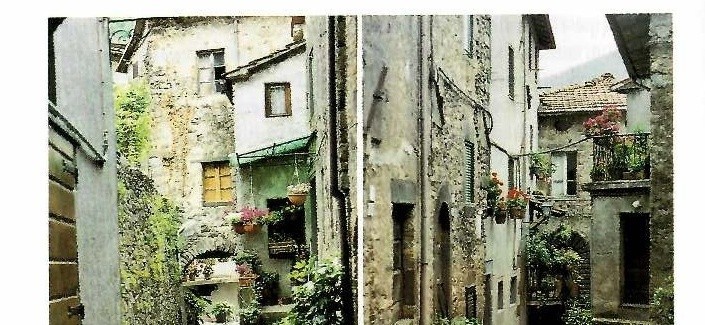
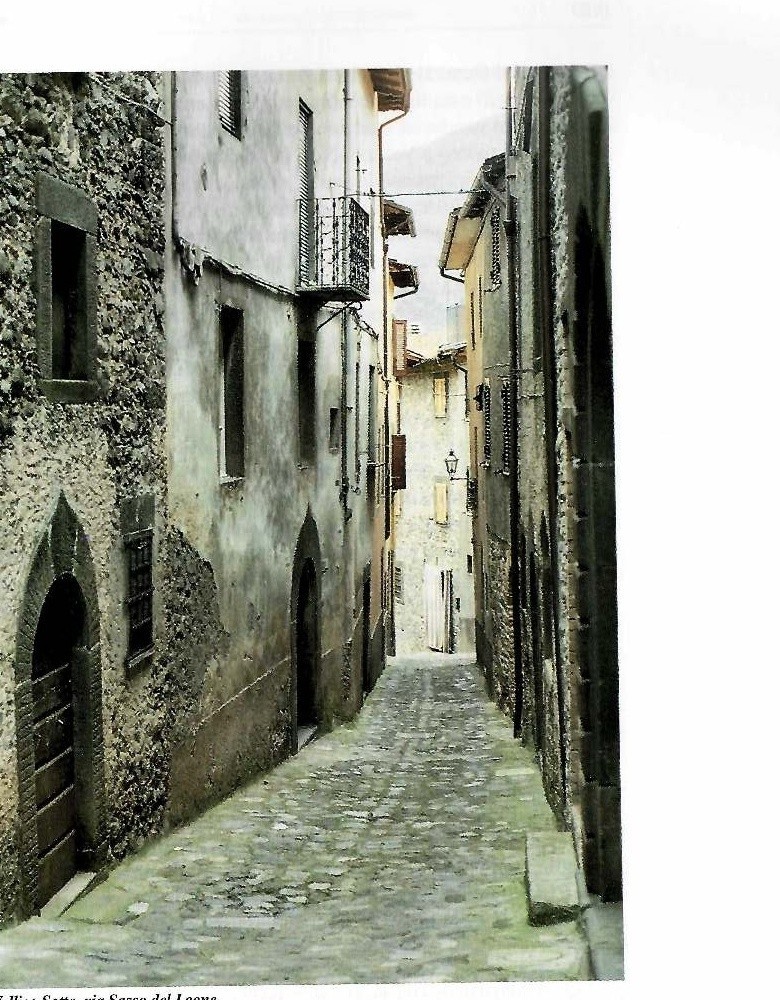
The village is part of the evidence.
Vallico's historical description calls it a “fortress within a fortress”: tall houses packed close together, steep stairways, narrow lanes and three transverse arched passages. The layout was not picturesque design. It was defensive urban form.
Vallico at war · 1944
History was still alive in the people next door.
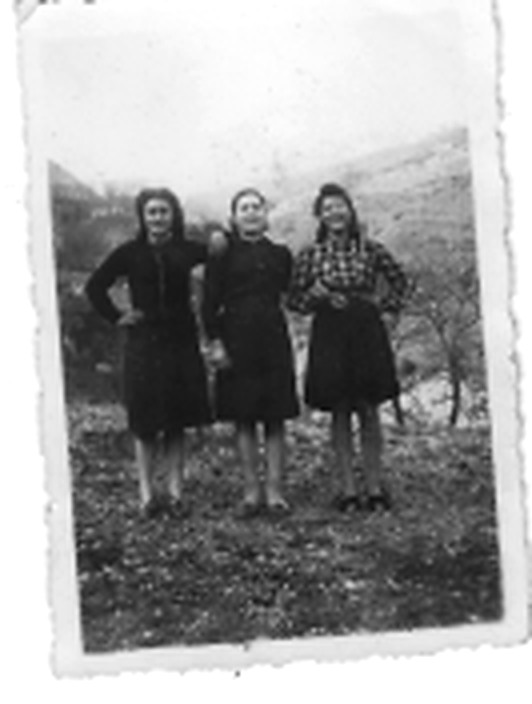
During the final phase of the Second World War, Vallico lay in a war zone close to the Gothic Line. German occupation, forced labour, Allied bombing, partisan activity and eventual liberation were not distant events here. Until very recently they remained within living memory.
The most important sources are not only military records. They are the people who remembered where they were, what they heard, who disappeared for work, where the bombs landed and how families were divided and reunited.
Flora
A witness to old Vallico.
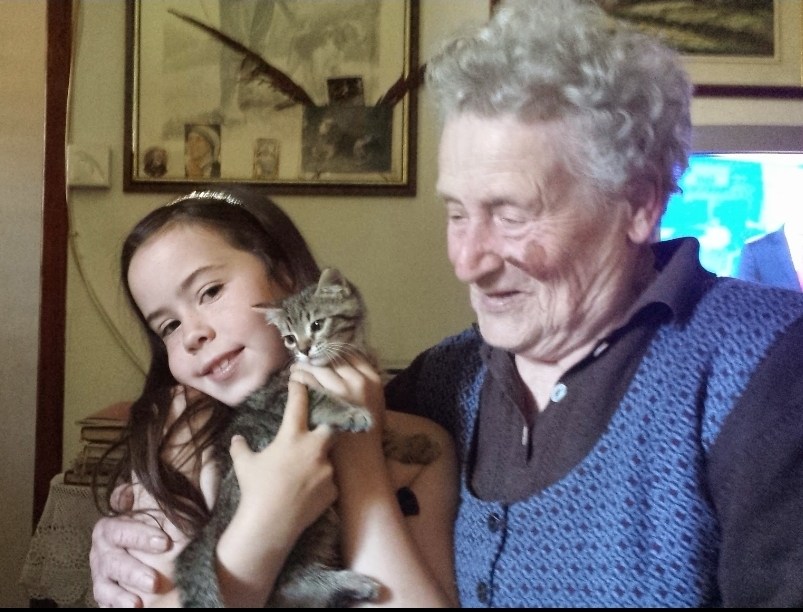
Flora, a much-loved neighbour of the Towler Institute and later the Academy, died aged one hundred. She belonged to the generation that carried the wartime history of Vallico as personal memory rather than history-book knowledge.
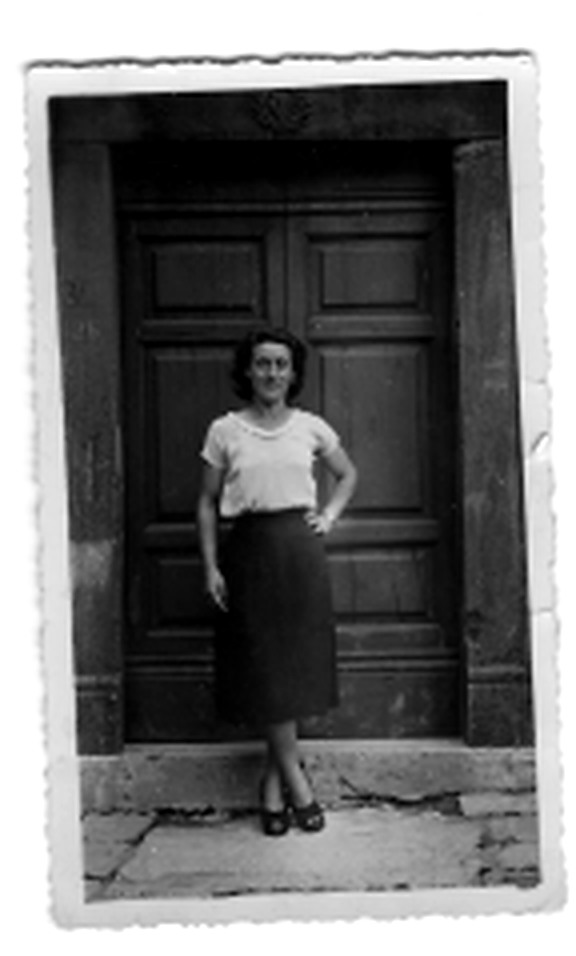
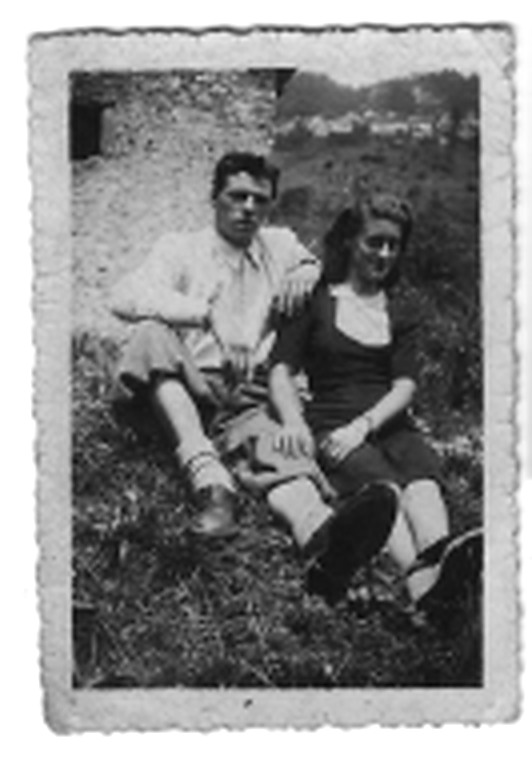
She remembered the German occupation and the danger of 1944. Her husband Luigi was taken away and made to work on anti-tank fortifications across the Serchio valley — structures that can still be seen today.
Flora also remembered the accidental American bombing of Vallico Sopra (the aircraft had been attempting to bomb Vagli di Sopra, several valleys to the north). Fragments from the explosion reached her house far below in Vallico Sotto.
In later life she became much more than a historical source. She was a friend and neighbour, and effectively a grandmother to the Towler children. Through Flora, the old village and the new Institute occupied the same human story.
An accidental bombing
A grandmother, a baby, and a story that survived.
The bombing of Vallico Sopra killed an older woman who was carrying her granddaughter. According to the family account preserved locally, the grandmother's body shielded the child from the blast.
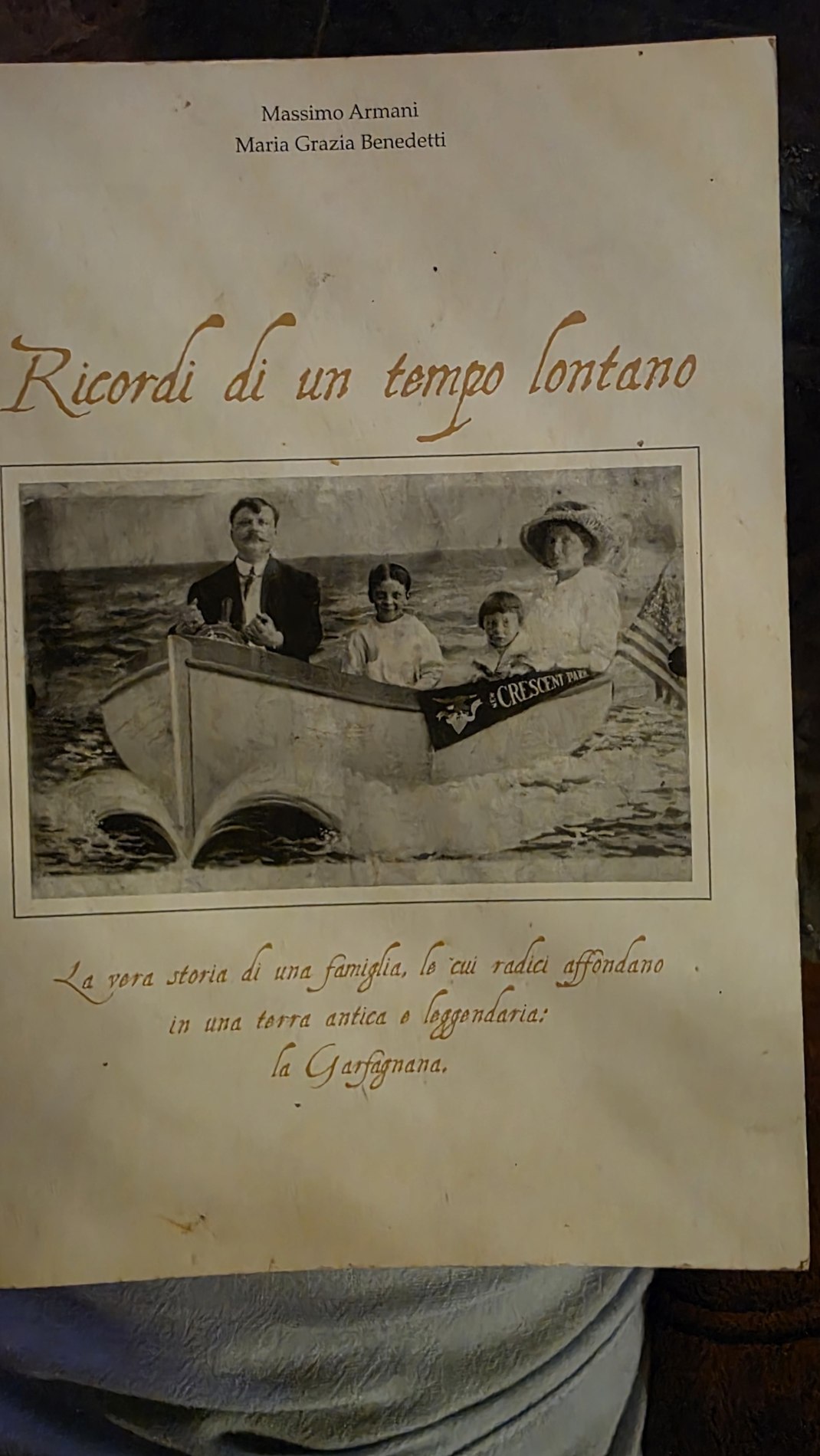
The baby survived. She grew up to become Maria Grazia Benedetti, whose memories became the heart of Ricordi di un tempo lontano, made into a book with Massimo Armani. Its story reaches from Garfagnana poverty and emigration through the Second World War and into the United States.
Stories from Vallico · 01
From Vallico to America — and back again.
Ricordi di un tempo lontano preserves an extraordinary family story of migration, separation and return. It is exactly the kind of material the new website should rescue from private shelves and local memory.
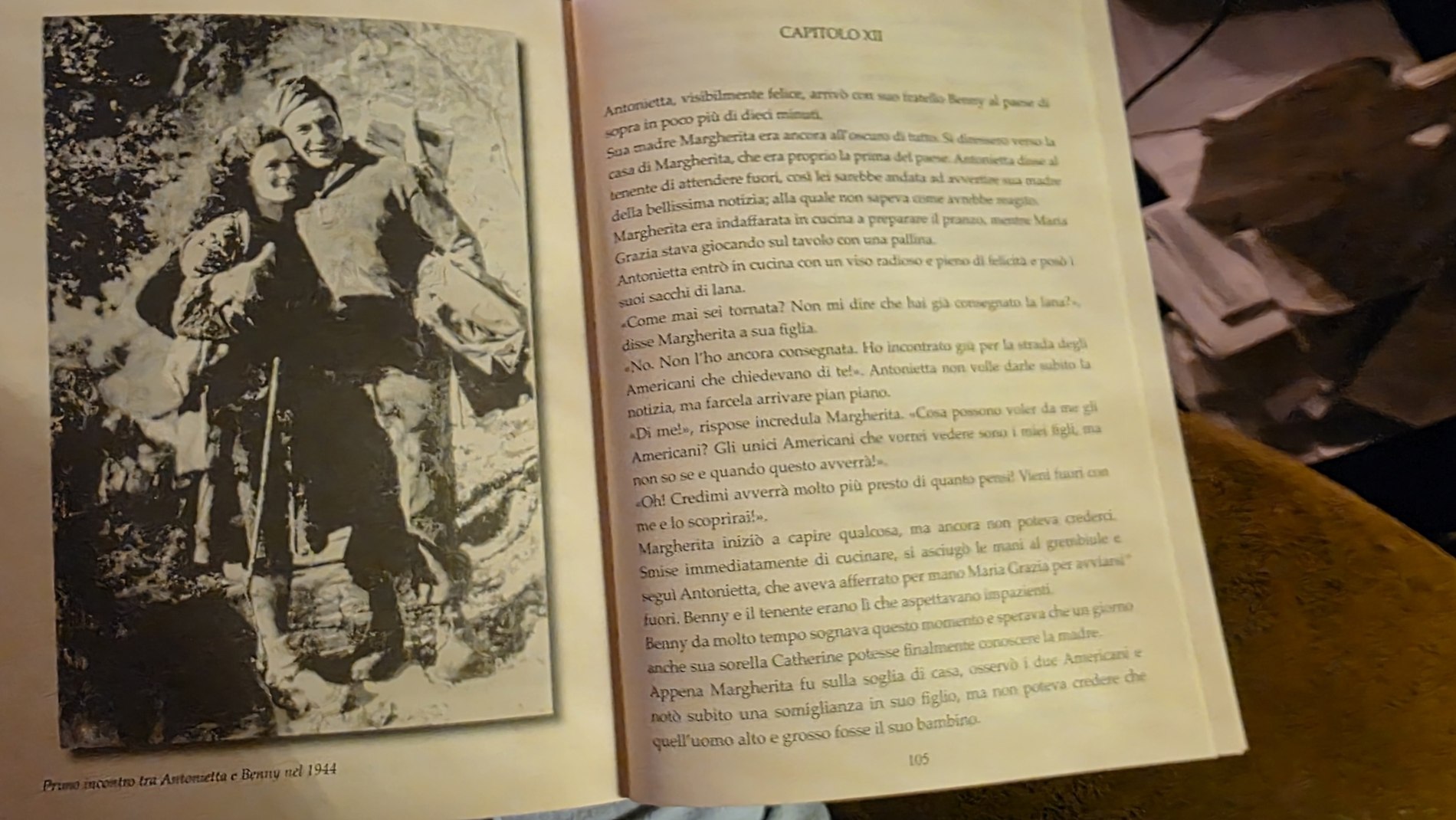
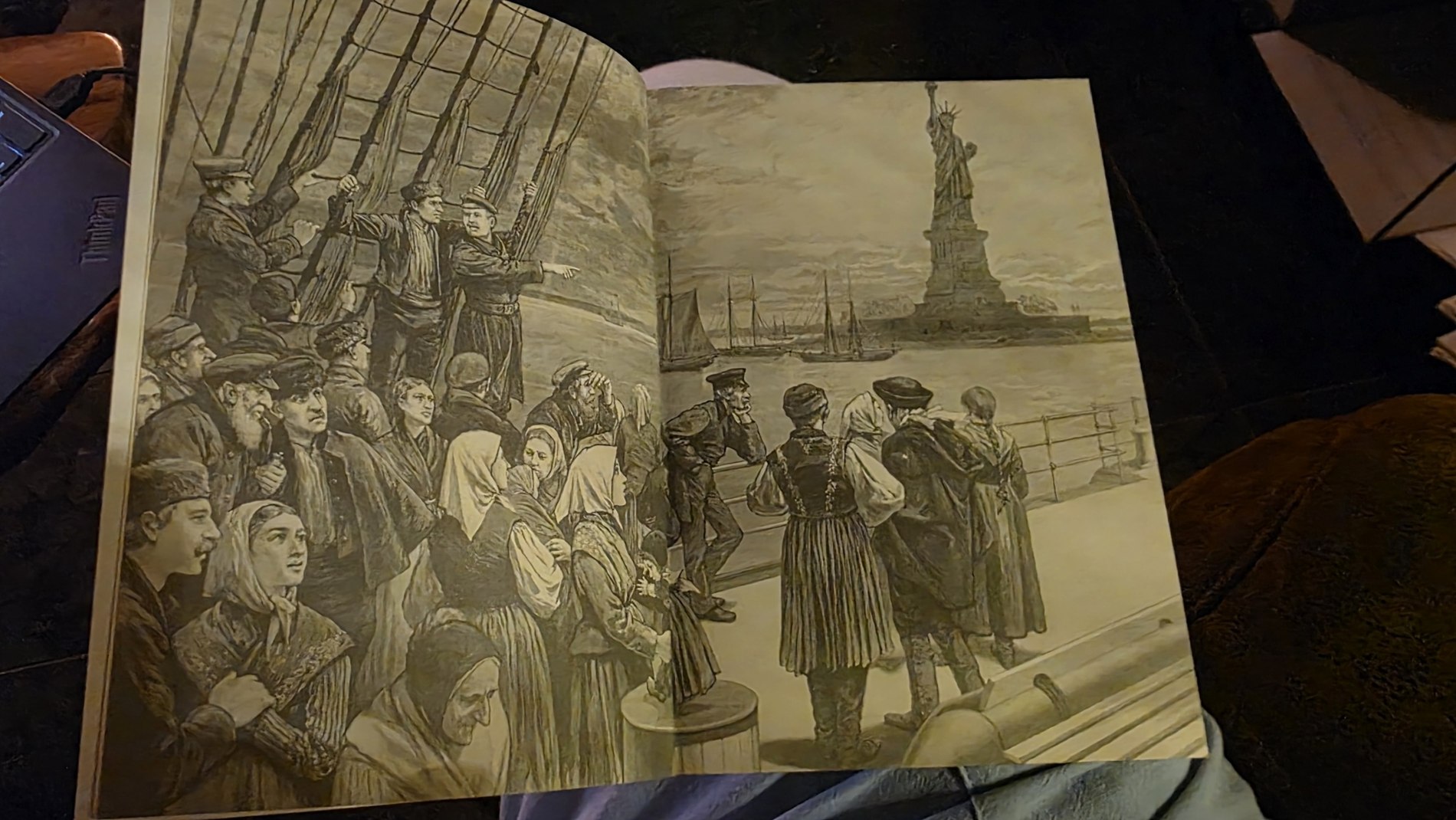
Maria Grazia's mother Antonietta and Antonietta's brother Benny had been separated when they were very young: Benny left with emigrants for America and grew up there as an American, speaking English.
In one of those coincidences that would seem implausible in a novel, Benny returned to the valley in 1944 as an American soldier. Brother and sister met again on the mule trail between Vallico Sotto and Vallico Sopra after years apart, each now belonging linguistically to a different world.
The book reproduces a photograph captioned “Primo incontro tra Antonietta e Benny nel 1944” — their first meeting in 1944.
The Academy intends eventually to translate this book and other local texts, so these stories can become part of the public archive rather than disappear with the people who remember them.
Mysteries & investigations
Some history survives as a question.
Oral memory, old maps, archaeology and geophysics do not always arrive at the same answer. Rather than smoothing those disagreements away, the Vallico archive keeps the uncertainty visible.
Three investigations in particular have become part of the modern history of the place.
01 · The secret tunnel
A passage remembered. An anomaly found.
Older residents interviewed during the investigation described an underground passage associated with the former military building beside the Academy and the Rocchetta above the village. Several said that as children they had gone hundreds of metres into it before reaching a blockage; one figure Mike Towler remembers being told was about 300 metres.
If those memories were broadly accurate, the scale matters. This was not being described as a cellar or short drain, but as an escape route from the walled village. The obvious possible destination is the old fortress site on the Rocchetta roughly uphill from the remembered entrance.
The modern search began with ground-penetrating radar and electrical-resistivity tomography. Early radar proved too shallow and produced false leads. Later tomography was more suggestive.
In 2016 a resistivity survey of the Doctor's lawn revealed a feature at roughly 4.5 metres depth in the expected area. The project interpreted it as strongly consistent with the remembered tunnel — but it has not been excavated and should not be presented as archaeological proof.
The tunnel also has a wartime shadow: local accounts say the lower entrance was blocked in October 1944. Why it was blocked, and whether the timing matters, remain open questions. The more dramatic wartime theories are not presented here as fact.
Open the original Secret Tunnel research page
4.5 m
approximate depth of the 2016 anomaly
Geophysics is evidence of structure, not yet identification of structure.
02 · The lost fortress
Something was on the Rocchetta.
The small hill above the village was traditionally the site of a fortress. Ruins were reportedly still visible within the memory of earlier generations, but no standing castle survives today.
A 3D resistivity study of the upper terrace in 2015 produced a cylindrical anomaly embedded in a linear feature. The Secret Tunnel project interpreted these as plausible deep foundations of a tower and wall.
That is a good hypothesis, not an excavation report. The History section keeps that distinction explicit: testimony, geophysics, interpretation and confirmed archaeology are different kinds of evidence.
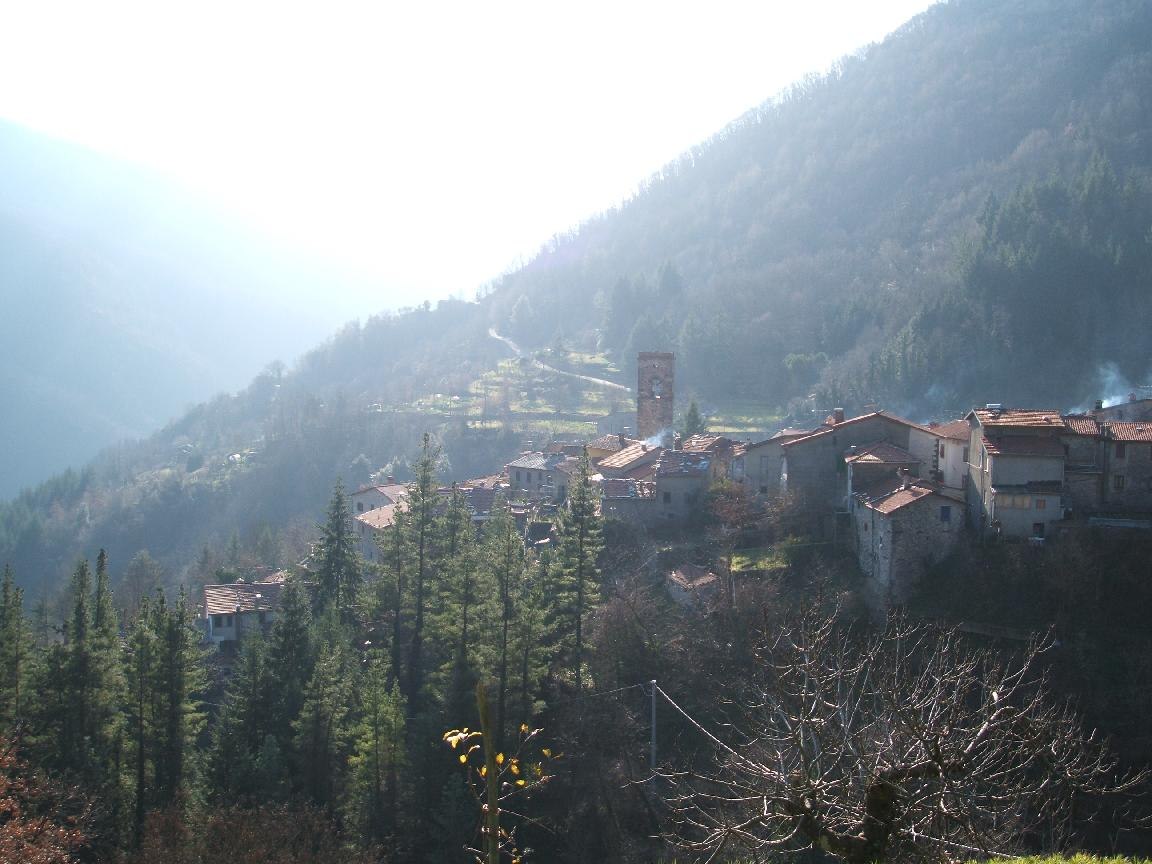 Somewhere above these roofs, the Rocchetta held the village's lost defensive structure.
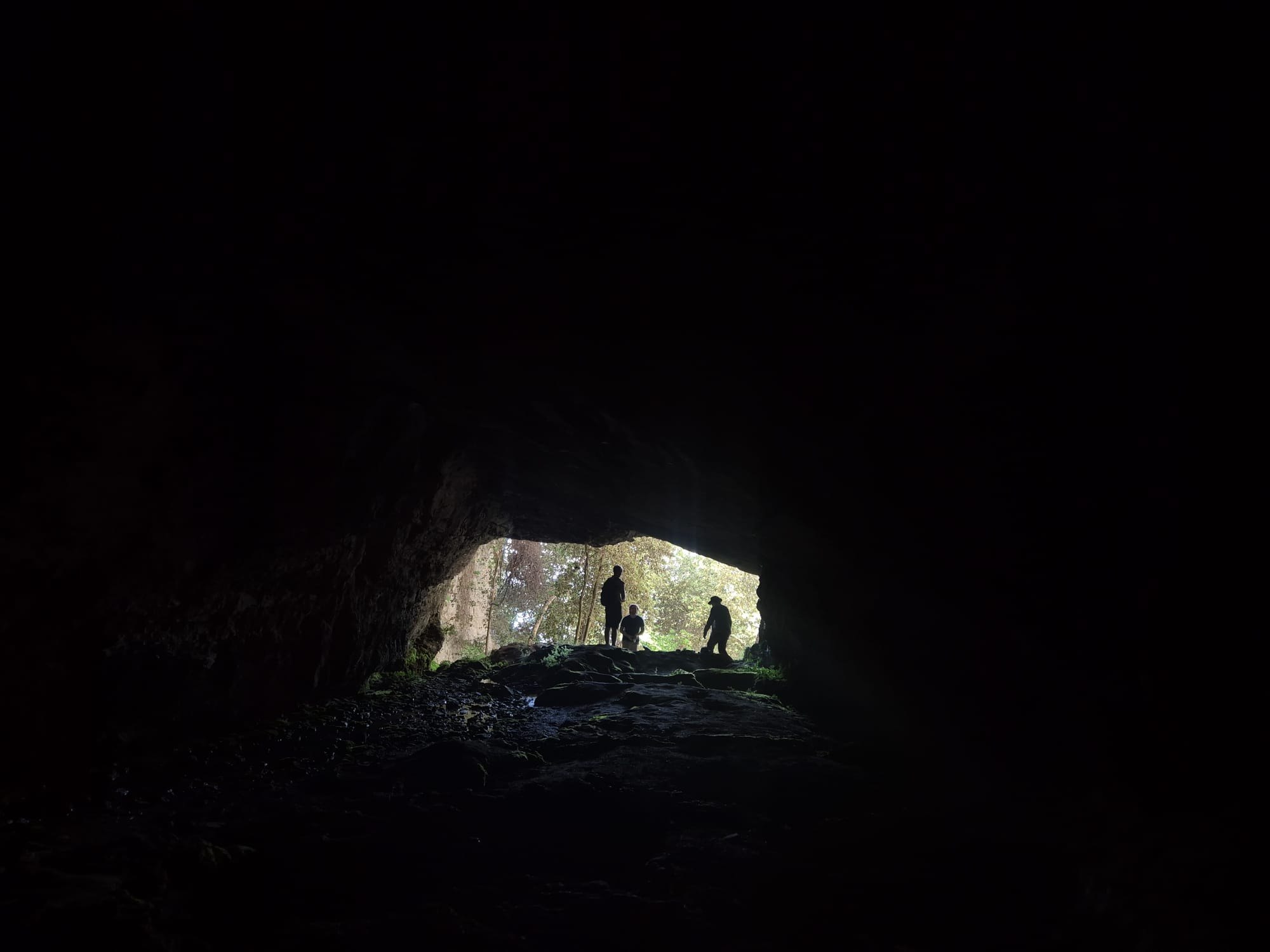
03 · Tana di Cascaltendine
The famous cave — and the almost invisible one above it.
The main Cave of Cascaltendine has a history extending far beyond nineteenth-century exploration. Archaeological excavation in the 1970s brought to light material ranging from the second millennium BC into the early Christian centuries. The excavators interpreted the finds as evidence of cult activity; among them were unusual ancient bronze figurines, female or hermaphrodite, now held in Lucca.
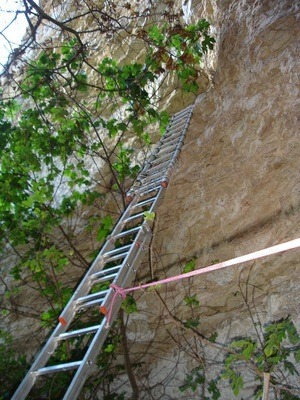
But Pietro Magri's 1880 account also describes something stranger: a smaller opening high in the cliff just outside the principal cave, difficult to see and impossible to reach without ladders. His party climbed to it, explored the passage and gave it a wonderfully grand name — the Palace of Ismeno.
Open the original local-history libraryThe Palace of Ismeno · 1880 → 2007
The inscription was still there.
Magri recorded that before descending, the 1880 party used a chisel to carve their initials and the year on both walls near the entrance. He also described a climber appearing at the high opening with a mattock and piton — an apparition so theatrical that the party named the cave after the wizard Ismeno of Gerusalemme Liberata.
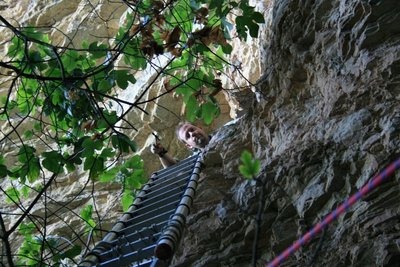
In August 2007, during a Towler Institute summer school, Mike Towler and a group of visiting physicists returned with a twelve-metre ladder extended by a second telescopic ladder. High above the main cave they found exactly what Magri had described.
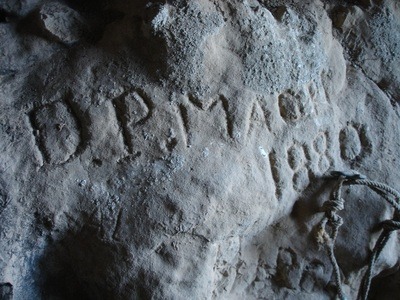
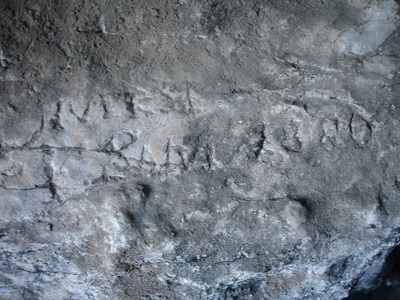
There was more. Beside the inscriptions was an old piton hammered into the rock with an antique rope still attached. The modern party found no intervening graffiti, no speleological paint and no obvious evidence of later occupation.
That does not prove nobody entered between 1880 and 2007. But it made the scene remarkable: the documentary description, the carved names and the climbing hardware were all still physically present 127 years later.
A nineteenth-century sentence had survived as an archaeological treasure hunt with the answer still written on the wall.
How we tell these stories
Document. Memory. Measurement. Guess.
Charters, maps, chronicles, parish records, memoirs and published historical work establish what can actually be sourced.
Oral testimony preserves things documents often miss — but memories can conflict, drift and disappear with the people who hold them.
Radar and electrical tomography can reveal anomalies underground. They do not automatically tell us what those anomalies are.
Interpretation is unavoidable and often fun. The rule is simply to label it as interpretation rather than quietly promoting it to fact.
The local-history library
The sources remain visible.
The new site will not replace the old archive with a polished summary and hide the evidence. The translated texts, expedition reports, photographs, maps, geophysical PDFs and Towler Institute pages will remain accessible through the Archive.
The collection is larger than the material shown here. The volume from which Gabriella Carli's history was translated contains many other essays, while family memoirs such as Ricordi di un tempo lontano still await fuller translation and presentation.
The useful past
Not heritage as decoration.
The old paths are becoming useful again. The terraces are returning to work. The Collegio is receiving visitors again. History matters here most when it remains connected to what happens next.